Sepsis and Home Care

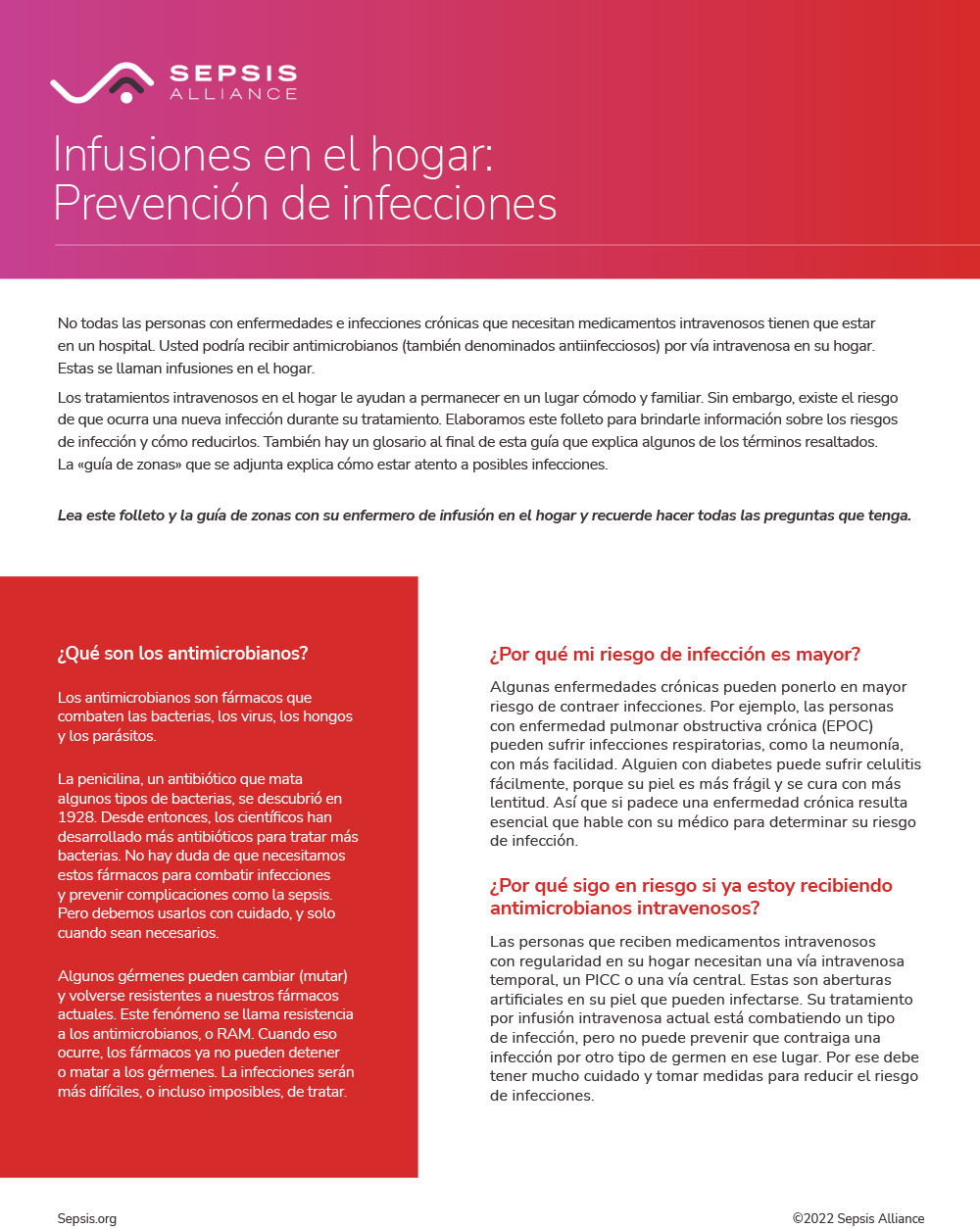
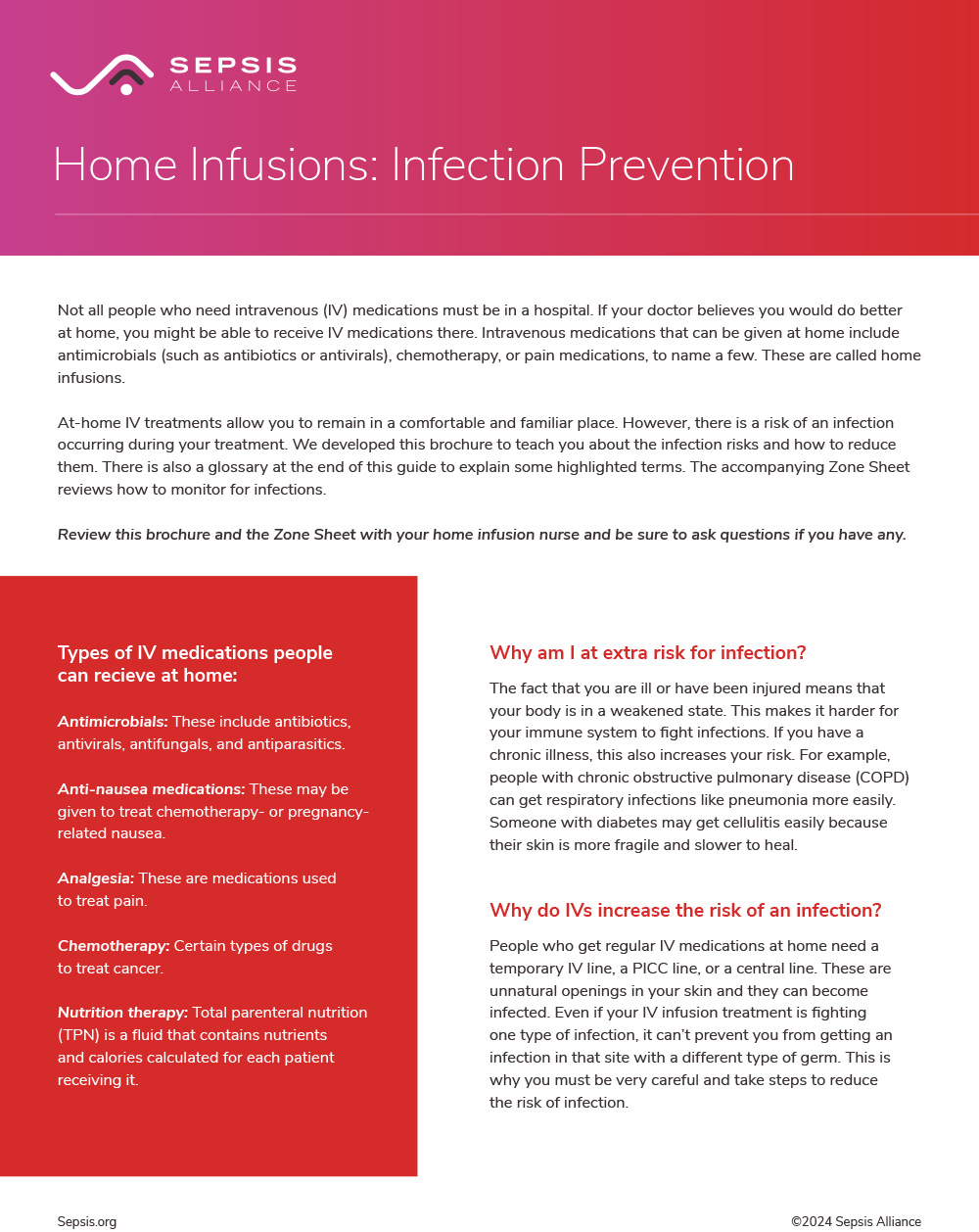
If you are receiving home health care (also called home health services), this means that you need some medical care, but not enough to be admitted to a hospital or skilled nursing facility.

There are several advantages to receiving home care, such as you:

  • Aren’t exposed to the microbes (germs) that may circulate in the facility.
  • Have less frequent person-to-person contact with staff, volunteers, and others patients who could expose you to an infection.
  • Are in a familiar and more comfortable environment.

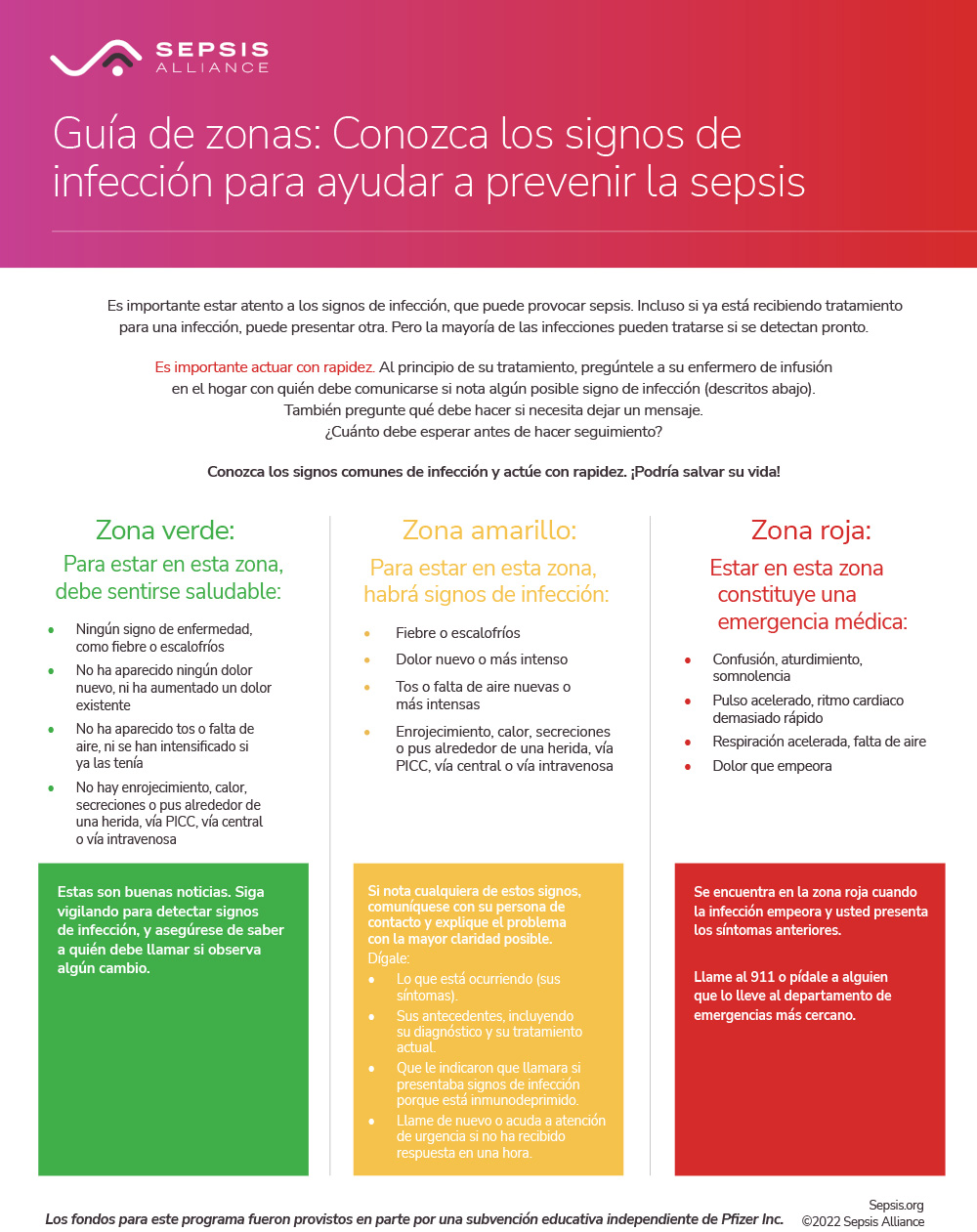
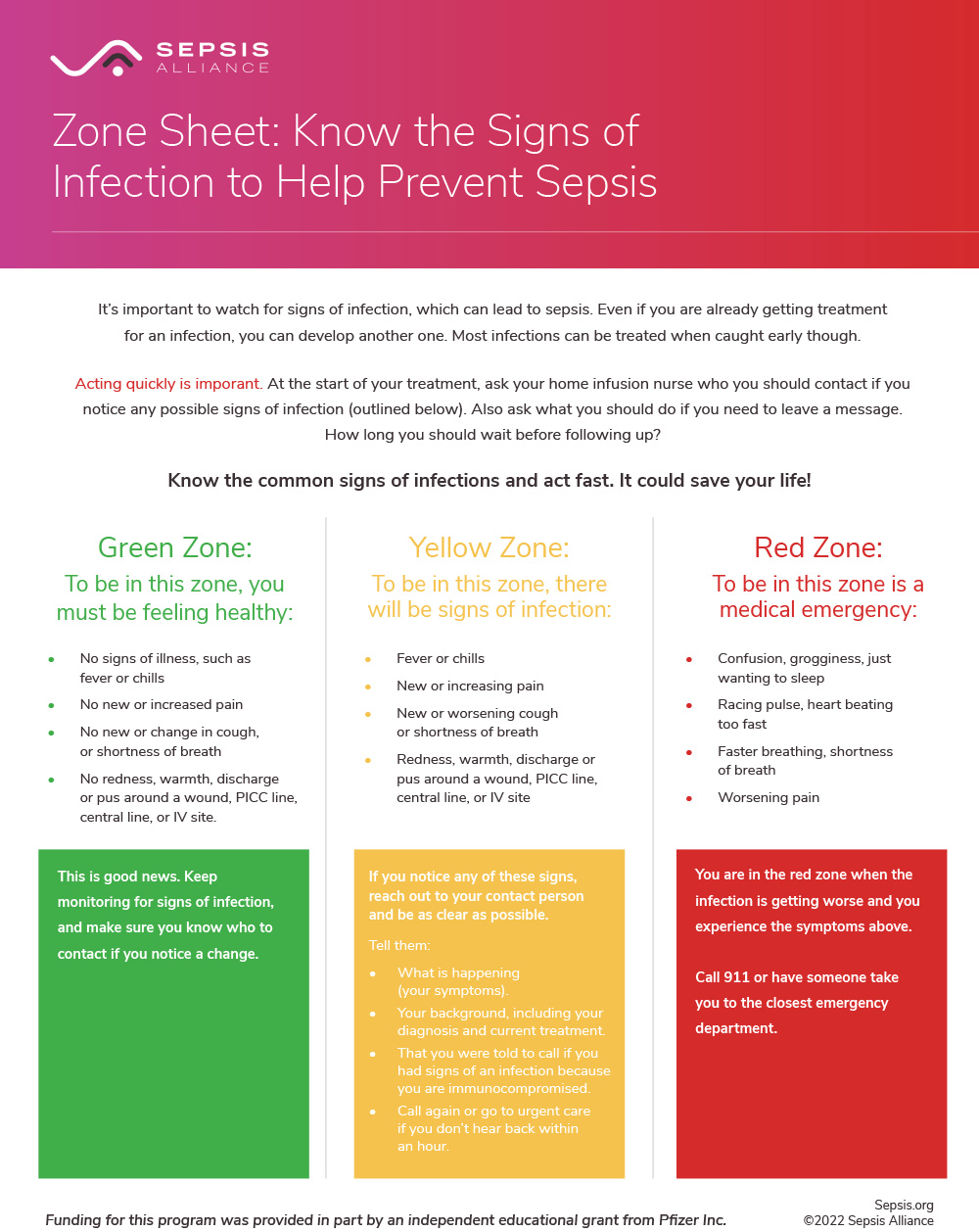
However, there is still a risk that you could contract an infection while you are receiving home care. Any type of infection could cause sepsis. If you are a caregiver to someone receiving home care, this information is important for you as well. Sepsis, which was often called blood poisoning, is the body’s life-threatening response to infection. Like strokes or heart attacks, sepsis is a medical emergency that requires rapid diagnosis and treatment.

Suggested Citation:
Sepsis Alliance. Sepsis and Home Care. 2023. https://staging.sepsis.org/sepsisand/home-care/

Updated October 25, 2023.

 

More About Home Care

Infection Risks

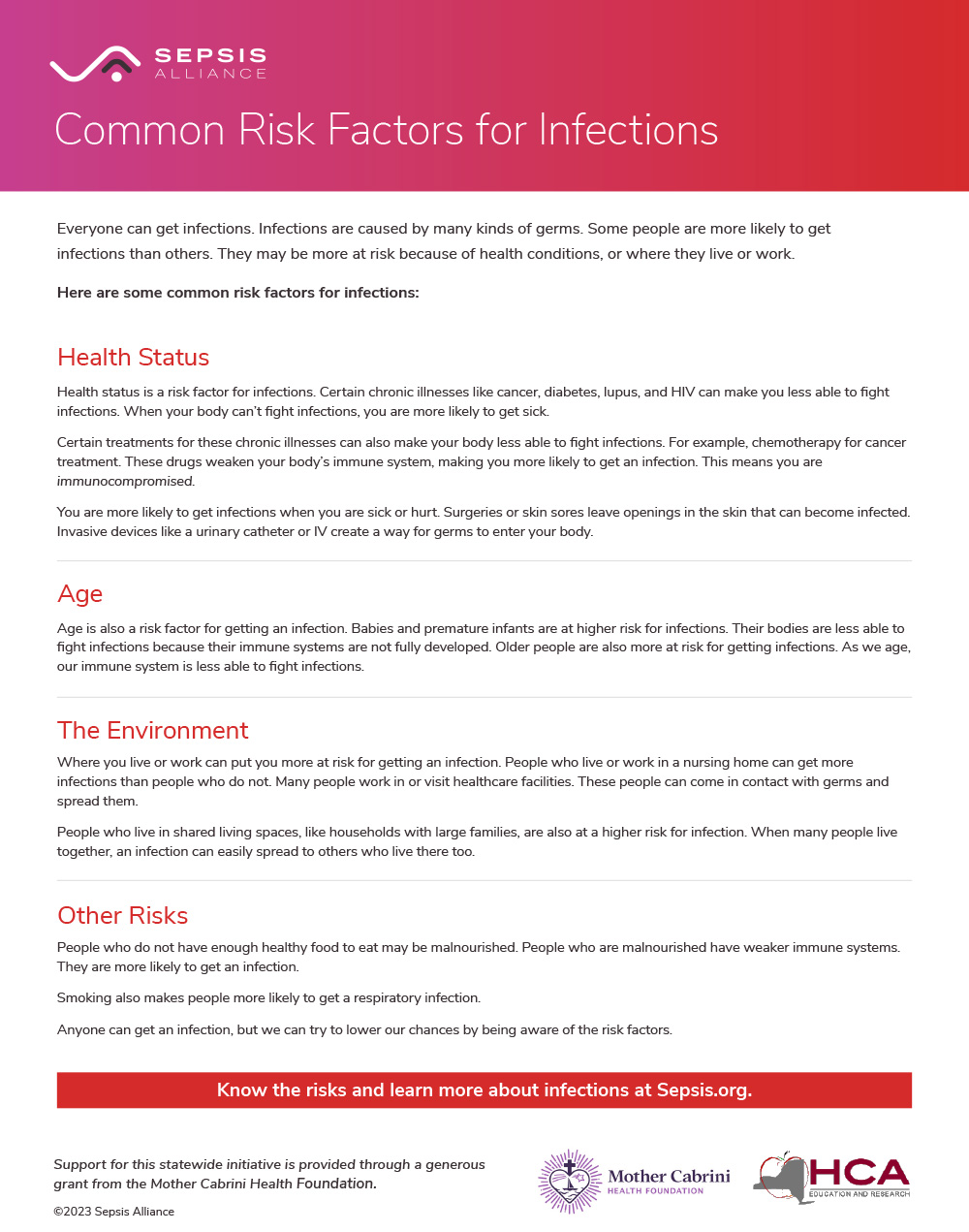
When people receive home care, it is because they are ill, injured, or unable to care for themselves without help. Some of those people may be at increased risk of infection because they:

  • Are very old; the immune system becomes less robust as people age.
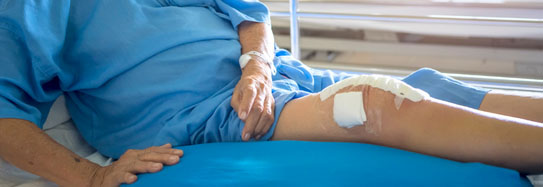
  • Are recovering from invasive medical or surgical procedures, or childbirth; open wounds are a source for infection.
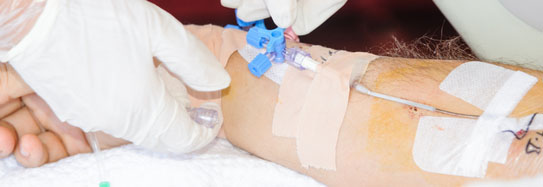
  • Have an invasive medical device, such as a urinary catheter or intravenous; breaks in the skin or entries into the body can allow bacteria to enter.
  • Have one or more chronic illnesses, such as diabetes or COPD; people with chronic illnesses may get infections more easily.
  • Have a weakened immune system; a weakened immune system makes it harder to fight infections.
  • Are immobile; staying in one place for extended periods can increase the risk of pressure injuries (ulcers). It can also contribute to pneumonia because deep breathing and exercising helps the lungs expand and air flows more easily.
  • Are malnourished; the body requires nutrients to stay strong and to keep the immune system healthy.
Infection Prevention

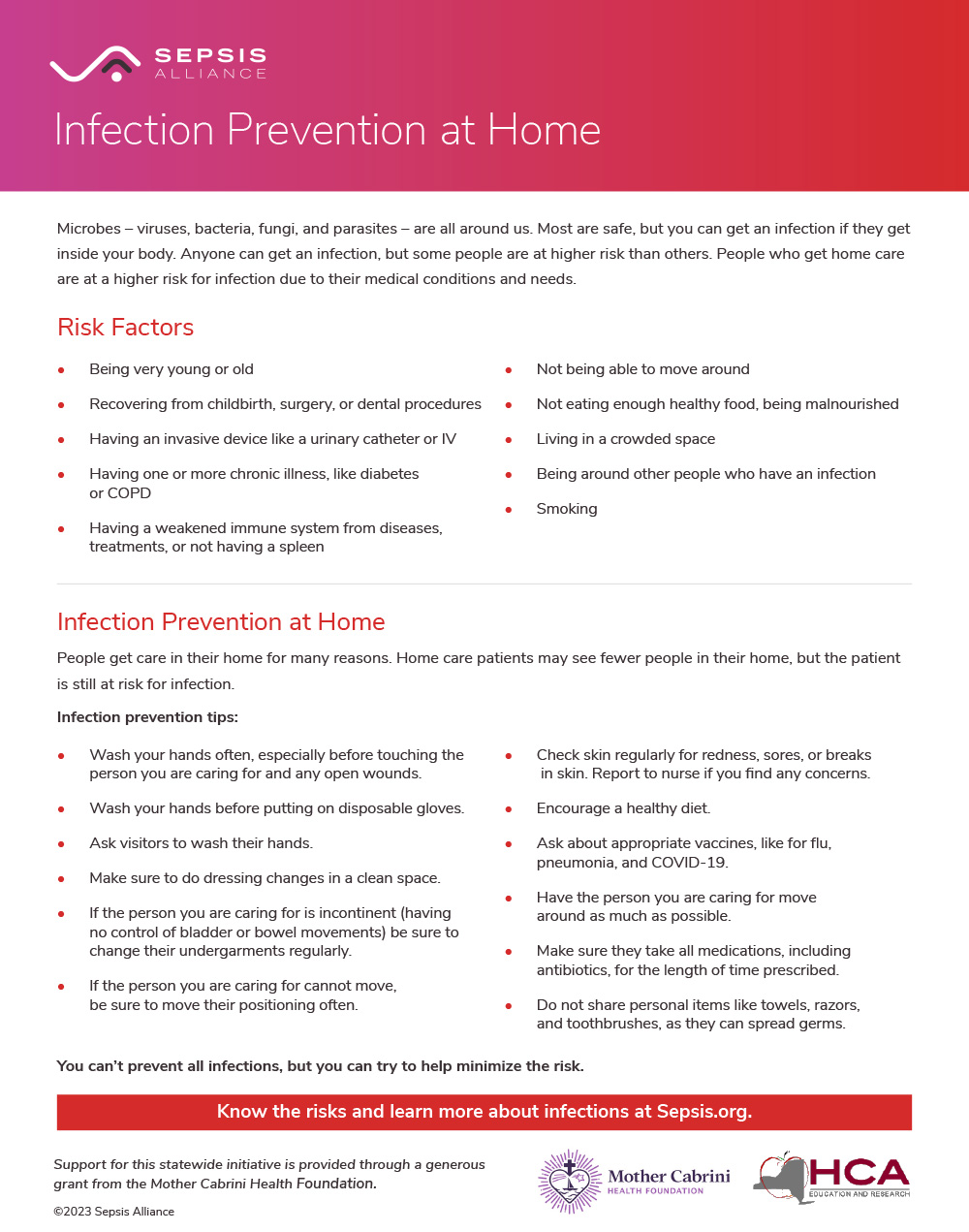
Infection prevention is sepsis prevention. There are some simple steps to follow that will help decrease your risk of getting an infection while you are receiving home care.

  • Ask everyone, including the healthcare providers, who enters your home to wash their hands thoroughly with soap and water.
  • Wash your own hands frequently, especially before touching a wound, dressing, IV, or catheter, even if you will be wearing gloves.
  • Ensure there is a clean space to keep dressing or treatment supplies and ensure that the dressing changes are done in a clean environment.
  • Eat a healthy diet.
  • Get all recommended vaccines.
  • Move about as much as you can.
  • Take all medications, including antibiotics, for the recommended length of time as prescribed.
  • Don’t share personal items, such as towel, razors, and toothbrushes to reduce the spread of germs.

If you are the caregiver of someone receiving home care:

  • If the person is incontinent of urine or stool, ensure frequent changes of their briefs or pads. Clean the skin well, but gently. Report any redness or signs of the skin breaking down in the genital area to the home health provider.
  • If the person unable to move about on their own, they need regular positioning from side to back to side so they are not staying too long in one spot. This will reduce the risk of pressure injuries (ulcers or bed sores) from forming. Inspect the skin regularly, especially the hips, coccyx (backside), and elbows. These are the areas that break down most easily.

Related Resources

Sepsis and Home Care

Sepsis and Cancer

Information Guide

Invasive Devices

  • To submit this form you are required to enter your first name, last name, a valid email address and your role.

Information Guide

Cancer

  • To submit this form you are required to enter your first name, last name, a valid email address and your role.

Information Guide

Aging

  • To submit this form you are required to enter your first name, last name, a valid email address and your role.

Other Topics

Nicole Harpster

2023 was the hardest year ever, I thought at the time. I lost my husband to ALS, in the summer. It was almost a relief to not see him so debilitated, but the sadness was certainly huge. A few months later, some friends took me to Fiji, for some much needed R & R. We had literally been at the resort for an hour and decided to get in the ocean. Immediately I saw the most beautiful blue starfish, and as I reached for it, my foot caught, and I fell on my knees in coral. I knew it was ... Read Full Story

Submit Your StoryView More Stories

Liz P.

Friday the 13th, yes, Friday the 13th! A beautiful autumn day in October 2023 was a routine day for my husband and myself, a retired, relatively healthy couple aged in our mid seventies. While preparing to retire, later in the evening than usual for us, and feeling the need to urinate, my attempt was unsuccessful. After several additional attempts, but without pain, I made a mental note to contact my physician in the morning, believing I might have a UTI. A decade earlier, I had, with great pain, passed a kidney stone without difficulty, but had experienced the same earlier ... Read Full Story

Submit Your StoryView More Stories

Samantha Lee

I’ve just got home from hospital after a kidney infection and sepsis. I started feeling ill Tuesday 01/07/25. In the morning I had a bath before work and was shivering and didn’t feel right at all, I went to work. I had pain in my left lower back so took some Paracetamol and later in the day I was frozen and kept shivering. I left work at 5pm with the air con in the car at full heat despite it being 20 degrees outside and I was violently shaking by now. I came straight home and got in bed fully ... Read Full Story

Submit Your StoryView More Stories

Rand Conroe

In the summer of 2022, I was having stomach issues. I went to Urgent Care, and they ordered a CT scan. The Urgent Care Clinic called me later that day and asked me to please go directly to the emergency room because the CT showed that I had a major bowel obstruction. The ER disagreed and I was sent home. Two weeks later I was still having issues and went to my primary care provider who ordered another CT scan. This time the radiology department did not even let me leave the hospital, instead escorting me back to the ER. ... Read Full Story

Submit Your StoryView More Stories

Aaroh Chandramouli

I lost my 12-year-old son, Aaroh, to sepsis. He had recently undergone a minor diagnostic test — a VCUG (Voiding Cystourethrogram)— and had been on oral antibiotics for nearly 15 days in preparation. The evening after the test, he developed a mild fever. We consulted a doctor by phone, followed the prescribed medication, and the fever subsided before bedtime. We continued giving him the antibiotics that day and the next. That night, he complained of pelvic and lower abdominal pain — we assumed it was a side effect of the test. Concerned, we took him early the next morning to ... Read Full Story

Submit Your StoryView More Stories

Home Care