What is post-sepsis syndrome?
Post-sepsis syndrome (PSS) is a condition that affects up to 50% of sepsis survivors. It includes physical and/or psychological long-term effects, such as:
Physical –
- Difficulty sleeping, either difficulty getting to sleep or staying asleep
- Fatigue, lethargy
- Shortness of breath, difficulty breathing
- Disabling muscle or joint pain
- Swelling in the limbs
- Repeat infections, particularly in the first few weeks and months following the initial bout of sepsis
- Poor appetite
- Reduced organ function, eg kidney, liver, heart
- Hair loss
- Skin rash
Psychological or emotional –
- Hallucinations
- Panic attacks
- Flashbacks
- Nightmares
- Decreased cognitive (mental) functioning
- Loss of self-esteem
- Depression
- Mood swings
- Difficulty concentrating
- Memory loss
- Post-traumatic stress disorder (PTSD)
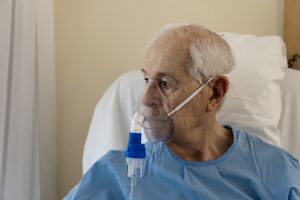 The risk of having PSS is higher among people admitted to an intensive care unit (ICU) and for those who have been in the hospital for extended periods of time. PSS can affect people of any age, but a study from the University of Michigan Health System, published in 2010 the medical journal JAMA, found that older severe sepsis survivors were at higher risk for long-term cognitive impairment and physical problems than others their age who were treated for other illnesses. Their problems ranged from no longer being able to walk to not being able to participate in everyday activities, such as bathing, toileting, or preparing meals. Changes in mental status can range from no longer being able to perform complicated tasks to not being able to remember everyday things.
The authors wrote, “…60 percent of hospitalizations for severe sepsis were associated with worsened cognitive and physical function among surviving older adults. The odds of acquiring moderate to severe cognitive impairment were 3.3 times higher following an episode of sepsis than for other hospitalizations.”
In addition, one in six survivors find they have difficulty remembering things, concentrating, and making decisions.
Children can also live with lasting issues related to sepsis. About 34% of pediatric sepsis survivors are not back to pre-sepsis functioning for at least 28 days after their hospitalization. The numbers could actually be higher as another study that included teachers who evaluated students who had had sepsis. The researchers found that 44% of the children who had been in septic shock had cognitive difficulties compared with healthy children. They are also more likely to have PTSD if they were treated in a pediatric ICU.
Since the risk of infection – and sepsis – is higher after recovery, sepsis survivors should speak to their healthcare provider about infection prevention, including necessary vaccinations.
What causes post-sepsis syndrome?
For some patients, the cause of their PSS is obvious. Blood clots and poor blood circulation while they were ill may have caused gangrene, resulting in amputations of fingers, toes, or limbs. Damage to the lungs can affect breathing. Another study, published in 2012 in the journal Shock, researchers found that sepsis survivors may be more vulnerable to developing viral respiratory (lung) infections.
Other organs may be damaged as well, such as the kidneys or liver.
These lasting physical issues can be explained, but there is more to PSS that cannot yet be explained, such as the disabling fatigue and chronic pain that many survivors experience. Others complain of seemingly unrelated problems, like hair loss that may occur weeks after their discharge from the hospital.
Post-traumatic stress disorder
Many sepsis survivors also report symptoms of post-traumatic stress disorder (PTSD). Researchers have already recognized that ICU stays can trigger PTSD, which can last for years.
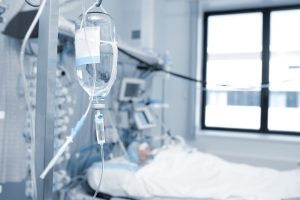
According to a 2013 Johns Hopkins study that looked at PTSD after ICU stays, people with a history of depression were twice as likely to develop PTSD after being in an ICU. The researchers also found that patients who had sepsis were more likely to develop PTSD.
It is important to note that PSS does not happen only in older patients or in those who were already ill. An editorial published in JAMA in October 2010, addressed PSS. In “The Lingering Consequences of Sepsis,” the author wrote, “The new deficits were relatively more severe among patients who were in better health beforehand, possibly because there was less room for further deterioration among patients who already had poor physical or cognitive function prior to the sepsis episode.”
In other words, healthy people may be expected to rebound quickly from such a serious illness, but they may actually have the opposite experience.
What can be done about post-sepsis syndrome?
Doctors and other healthcare professionals must recognize post-sepsis syndrome among sepsis survivors. This way, patients can be directed to the proper resources. Resources may include referrals for:
- Emotional and psychological support (counseling, cognitive behavioral therapy, or neuropsychiatric assessment)
- Physical support such as physical therapy or neurorehabilitation.
No matter how ill someone is after having sepsis, survivor Julie Osenton describes how most survivors feel: “You never feel safe. Every time some little thing happens you think, “Do I need to go to the hospital or is this nothing?”
What is post-ICU syndrome and is it the same thing as PSS?
Post-ICU syndrome (PICS) is a recognized problem that can affect patients who have spent time in an intensive care unit, ICU. It is more likely among patients who have been sedated or placed on a ventilator. It is not unusual for someone in an ICU to become delirious – sometimes called ICU delirium. The longer a patient is in such a unit, the higher the risk of developing delirium or PICS. A study published in the New England Journal of Medicine found that some of these patients continued to have cognitive (mental) problems a year after discharge.
The difference between PICS and PSS may seem slight. PICS is ICU related. Patients who are admitted to the ICU are at risk for PICS. PSS, on the other hand, can occur in sepsis patients who were not treated in an ICU, but who had extended hospital stays. The risk increases according to the severity of the illness and how long the hospitalization. Patients with PSS may also have physical issues that aren’t usually related to PICS, such as amputations.
Are post-COVID syndrome and PSS the same thing?
There have been many articles in the press and online about COVID-19 long-haulers, so named because they experience lasting symptoms long after after they recovered from the coronavirus infection.
People who have severe COVID-19 have viral sepsis. COVID-19, the infection caused by the SARS-CoV-2 virus, causes sepsis and results in severe illness. Therefore, the symptoms associated with post-COVID syndrome are identical to PSS, except for the loss of taste and smell. However, since sepsis is rarely mentioned in relation to COVID-19, people have started to call the lasting issues post-COVID syndrome instead of PSS.
Sepsis Alliance Connect is a virtual support community designed for the millions of people affected by sepsis. Click here to learn more or to sign up.
PSS letters for healthcare professionals and others.
Some people who believe they have signs of PSS might find it difficult to speak to healthcare professionals about their problems. This letter, addressed to people who work in the healthcare field, helps explain some of the issues involved in PSS. If you feel this letter would be helpful, please feel free to print it out and bring it to your doctor’s appointments.
To help explain post-sepsis issues to others, Sepsis Alliance has letters that explain sepsis and PSS to:
Updated July 22, 2024.