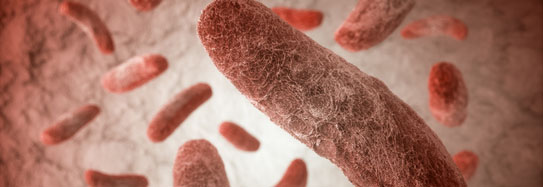
Clostridioides difficile, often called C. difficile or C. diff., is a bacteria spread by microscopic spores. It used to be called Clostridium difficile. The bacteria cause inflammation of the gut or colon – colitis. This can lead to moderate-to-severe diarrhea, and sometimes sepsis, which can develop as the body tries to fight the infection.
Sepsis, which was often called blood poisoning, is the body’s life-threatening response to infection. Like strokes or heart attacks, sepsis is a medical emergency that requires rapid diagnosis and treatment. Worldwide, one-third of people who develop sepsis die. Many who survive are left with life-changing effects, such as post-traumatic stress disorder (PTSD), chronic pain and fatigue, organ dysfunction (don’t work properly), and/or amputations.
Most C. difficile infections occur in hospitals or healthcare facilities. These are called healthcare-acquired infections, or HAIs. However, physicians are finding that more and more, people are coming into contact with the bacteria in the community.
Suggested Citation:
Sepsis Alliance. Sepsis and C. difficile. 2023. https://staging.sepsis.org/sepsisand/c-difficile/
Updated November 22, 2023.
 Patients who have C. difficile infection should be isolated from other patients to avoid spreading the bacteria. Healthcare workers who enter isolation rooms have to wear gloves and gowns.