Sepsis and Pneumonia

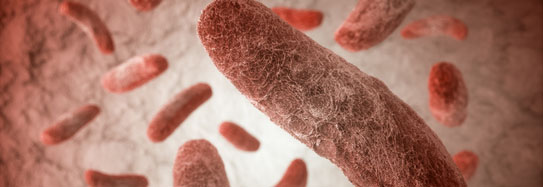
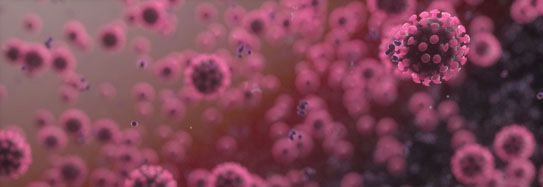
Pneumonia is an infection in the lungs. The infection can be only in one lung, or it can be in both. There are several causes of pneumonia but the most common are:

Left untreated, the infection can be deadly. In the days before antibiotics, it’s estimated that about one-third of those who developed bacterial pneumonia died.

Sepsis and septic shock can result from an infection anywhere in the body, including pneumonia. Pneumonia can be community-acquired, meaning someone develops pneumonia outside of the hospital. Pneumonia can also develop in a hospital or other healthcare facility, caused by a healthcare-associated infection (HAI). HAIs affect 1.7 million hospitalizations in the United States every year. An HAI is an infection contracted by people who are in the hospital for a different reason, such as surgery or treatment for another illness.

Sepsis, which was often called blood poisoning, is the body’s life-threatening response to infection. Like strokes or heart attacks, sepsis is a medical emergency that requires rapid diagnosis and treatment.

Suggested Citation:
Sepsis Alliance. Sepsis and Pneumonia. 2024. https://staging.sepsis.org/sepsisand/pneumonia/

Updated January 5, 2024.


Funding for this campaign was provided by unrestricted support from Dompé.

More About Pneumonia

Symptoms

Some people can have pneumonia and not know it, but the most common signs and symptoms are:

  • Fever
  • Cough, with phlegm
  • Shortness of breath
  • Sweating
  • Shaking chills
  • Headache
  • Muscle pain
  • Fatigue
  • Chest pain with breathing

You do not have to have all these symptoms to have pneumonia. You may have heard the term “walking pneumonia.” It’s not an official medical term, but it usually means that it is a mild case, producing milder, slower-to-develop symptoms.

Risk Factors

While anyone can develop pneumonia, some people are at higher risk than others. These include those who:

  • Are older
  • Are very young
  • Recently had a cold, influenza, or COVID-19
  • Smoke
  • Have a respiratory illness, such as chronic obstructive pulmonary disease (COPD)
  • Were or are exposed to certain inhaled toxins
  • Recently had surgery
  • Are in an intensive care unit
  • Are malnourished
Treatment

Pneumonia treatment depends on the type of infection you have.

Bacterial

Antibiotics are used to treat bacterial pneumonia. The type of antibiotic your doctor would choose depends on the bacteria causing the infection. If you have a prescription for antibiotics, you should finish all the medication, even if you start to feel better. You will begin to feel more like yourself before the infection is completely gone. If you stop the medications before the infection disappears, you could get a more serious pneumonia that can’t be treated as easily.

Viral

Viral pneumonia does not respond to antibiotics; they will not do any good. In general, there isn’t much that can be done for viral pneumonia other than advising that you rest and take in plenty of fluids to stay hydrated. In some cases, doctors may prescribe an anti-viral medication.

Fungal

Medications called anti-fungals treat fungal pneumonia.

Prevention

Sometimes we can prevent pneumonia. If you will have general anesthetic for  surgery, you could be at risk for developing a bacterial pneumonia. To lower the risk, you will be encouraged to get up and out of bed after the procedure, even if you may not feel up to it. If you can’t get up and move around, you will be encouraged to breathe deeply and cough on a regular basis. This is to help keep your lungs clear. You might be given a device called an incentive spirometer. This small device encourages you to take deep breaths, to expand your lungs.

There is a vaccine that can help prevent pneumococcal pneumonia, caused by Streptococcus pneumoniae. The CDC recommends that all adults over 50 and adults over 18 with certain risk factors receive the vaccine, as well as children younger than 5 years or older children who may be at risk.

There is also a vaccine for children to decrease their risk of developing one of four types of infections, including pneumonia:

  • Meningitis (infection in the brain)
  • Bacteremia (infection in the blood)
  • Otitis media (infection in the middle ear)
  • Pneumonia
Celebrities

Many celebrities have developed sepsis from pneumonia, including actor and TV personality Whoopie Goldberg, Prince Ranier of Monaco, and Muppet Creator Jim Henson. Learn about more celebrities who had sepsis here.


Related Resources

Information Guide

LA SEPSIS Y LA NEUMONÍA

  • To submit this form you are required to enter your first name, last name, a valid email address and your role.

Information Guide

Pneumonia

  • To submit this form you are required to enter your first name, last name, a valid email address and your role.

Caitlin Roeske

Towards the end of my senior year of college, I developed a high fever, chills and cough. I felt super tired all the time and would have bad night sweats. I originally went to my on campus student health clinic, was diagnosed with a cold and given cough medicine. Over that weekend, I pushed through but was getting worse to the point I was mentally disoriented when my friends would talk to me and couldn’t eat or speak without coughing. I knew something was wrong so I went to the Urgent Care 7 days after I originally got sick. I ... Read Full Story

Submit Your StoryView More Stories

Carl Alford

Carl’s story At just under 3 years old, my son developed a croupy cough with no fever or other concerning symptoms, so we carried on as usual. On day 5 of the cough, his cough developed a strider quality so I took took him to his PCP. At the time, his oxygen level was normal and his lung sounds were good except for the cough. He was started on steroids and sent home. The following day he had improvement in the strider but began running low grade intermittent fevers. He continued to eat, drink, pee, poop and appear as expected. ... Read Full Story

Submit Your StoryView More Stories

Shama Dunlow

As a 19-year-old, I never thought I’d get sepsis. I initially thought it was bad asthma since the it started getting colder and with college and work, I thought maybe I was pushing myself too hard. It was Thanksgiving break and I was at work when I first started feeling out of breath. It felt like asthma, I didn’t feel sick. It wasn’t until 4 days later that I started to get a fever and my lungs felt like they were being weighed down. I couldn’t eat and I started to throw up throughout the night. It was the night ... Read Full Story

Submit Your StoryView More Stories

Dottie Badottie Ortega

I am a 37 yr. old mom of 2, I work part-time, homeschool my youngest, help run a weekly co-op, teach Sunday school classes and help chaperone youth group events, and sometimes I help my husband coach baseball. I have always been healthy and never took colds or other illnesses too seriously. I got sick Feb. 15, 2025. I was diagnosed with the flu on Feb. 18th, I had a high fever and a horrible cough and chills. I didn’t think much of it. I had heard the flu was really bad this year and I figured I had a ... Read Full Story

Submit Your StoryView More Stories

Ann H.

On April 17th, 2025 I went to the walk in clinic with a very slight wheeze thinking my asthma was acting up. The nurse practitioner gave me some prednisone and said everything else looked okay. This was just a precaution. I took my first dose of prednisone that night. April 18th I felt great. No more wheeze and felt as if nothing had flared up. I took the dog for a run. While on the run I felt chilly so we went home. I was a bit tired and retired for the night around 10 pm. After about 1 hour ... Read Full Story

Submit Your StoryView More Stories

Other Topics

Pneumonia